
Cookbook of the Week: Insane in the Brine by Danny Berke
Suzanne Podhaizer • July 31, 2025
A green glass jar candle on a blue patterned saucer, with wax drips and a warm blurred background

I don’t know about you, but my garden is overflowing with cucumbers. If not your garden, perhaps your favorite farmstead? In any case, I’m here to talk about pickles, and the difference between pickling and fermenting.

Pickling involves using vinegar + flavorful herbs, spices and allies (a.k.a. things in the onion/garlic family) to preserve an item. The acidity of the vinegar helps protect the food from spoilage, and the other stuff, such as bay leaves, peppercorns, allspice berries and garlic cloves, make the resulting tangy bites delicious. .

Fermenting, on the other hand, makes use of salt, and sometimes a salty brine, to protect food from pathogens while allowing beneficial bacteria to thrive. Sauerkraut, kimchi and classic kosher dills that you’d find at a deli are made using fermentation, rather than pickling. The process is also called lacto-fermenting, because the human-friendly bacteria we’re hoping to cultivate are called lactic acid bacteria (sometimes abbreviated as LAB), with the most common being a little guy known as lactobacillus.

I’m an inveterate experimenter, but food preservation is a place for starting with the tried and true until you become deeply familiar with safe practices. On Facebook, I’m part of a group called “ Insane in the Brine ,” which is all about food preservation, and the group’s founder, Danny Berke, collecting a bunch of his recipes into a book of the same name.

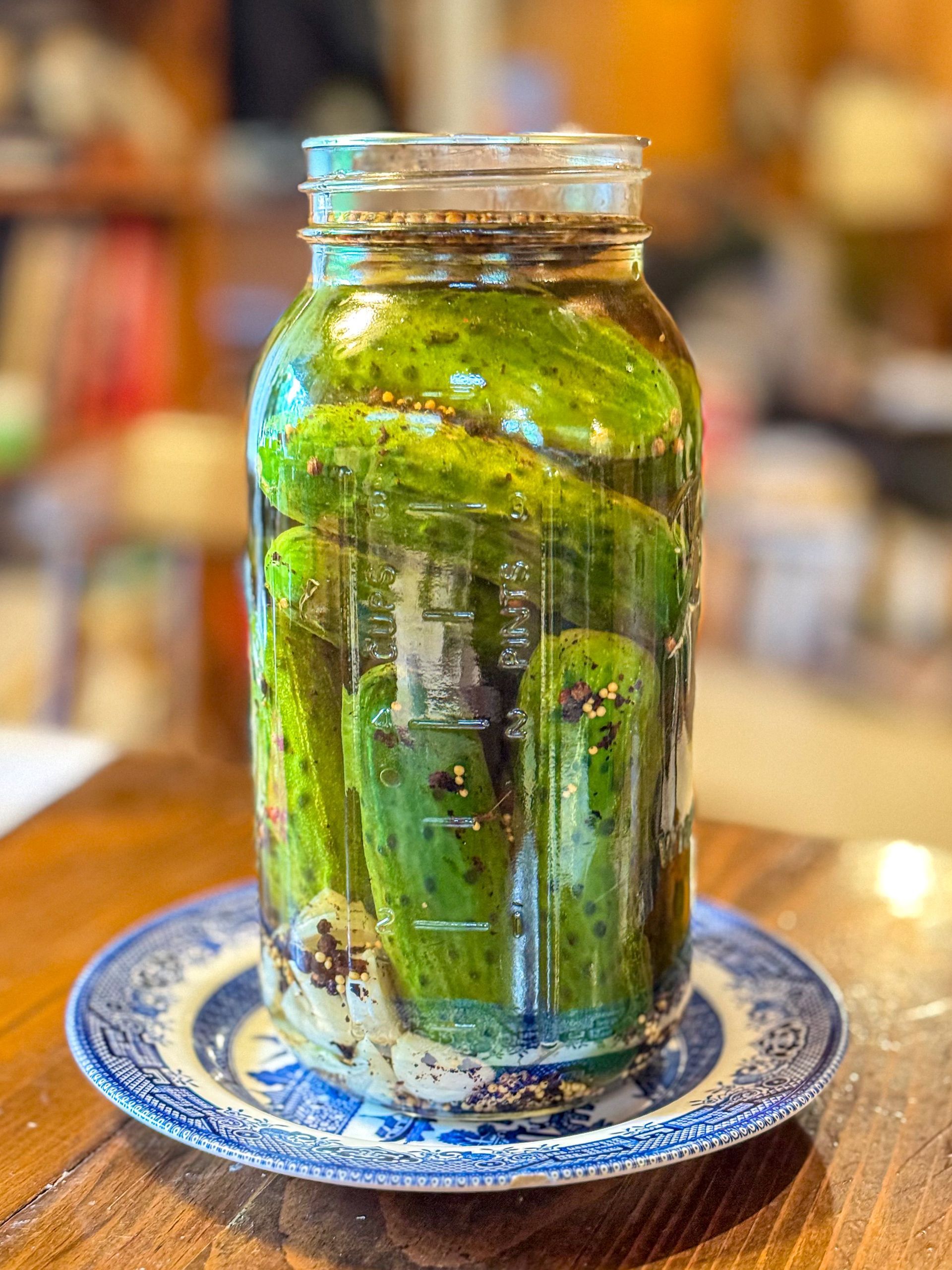
I used his recipe to make the classic pickles pictured above, and can’t wait to try more recipes as the season wends on. Some that I’m extra excited about: Pho Spiced Cherry Tomatoes; Spiced Melon Pickles; Indian Lime Pickles; and Cinnamon-Ginger German Mustard Pickles.

Why bother fermenting? Because the resulting foods are great for your gut microbiome! Plus, the foods you’ll create will taste wonderful. And, of course, it’s an interesting scientific experiment.

Book cover for Mother Tongue by Gurdeep Loyal, with bright pink and white floral design and title text
By Suzanne Podhaizer February 10, 2026
Mother Tongue: Flavours of a Second Generation by Gurdeep Loyal
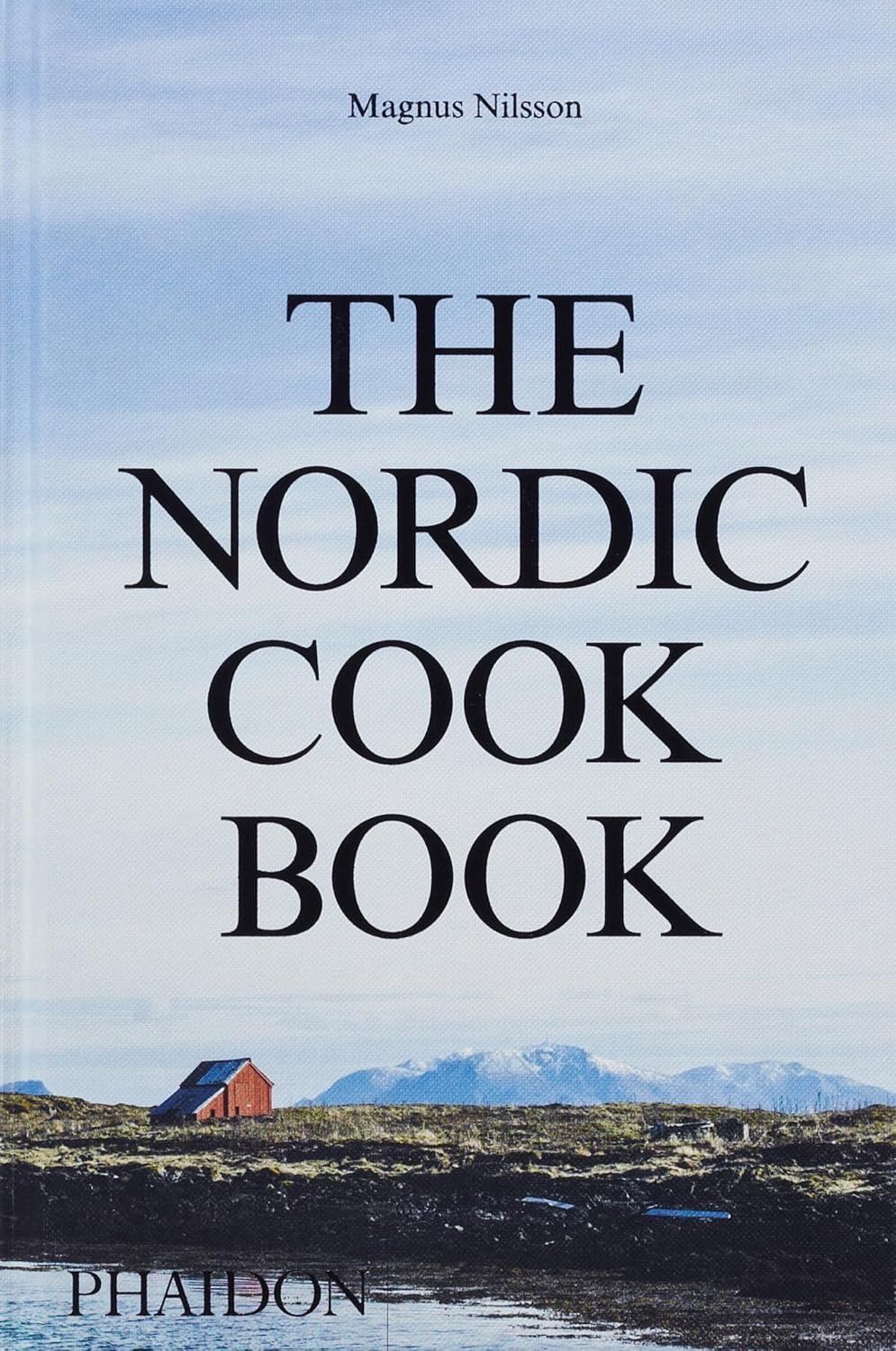
Book cover of “The Nordic Cook Book” with a blue sky and Arctic landscape background
By Suzanne Podhaizer December 16, 2025
The Nordic Cook Book by Magnus Nilsson
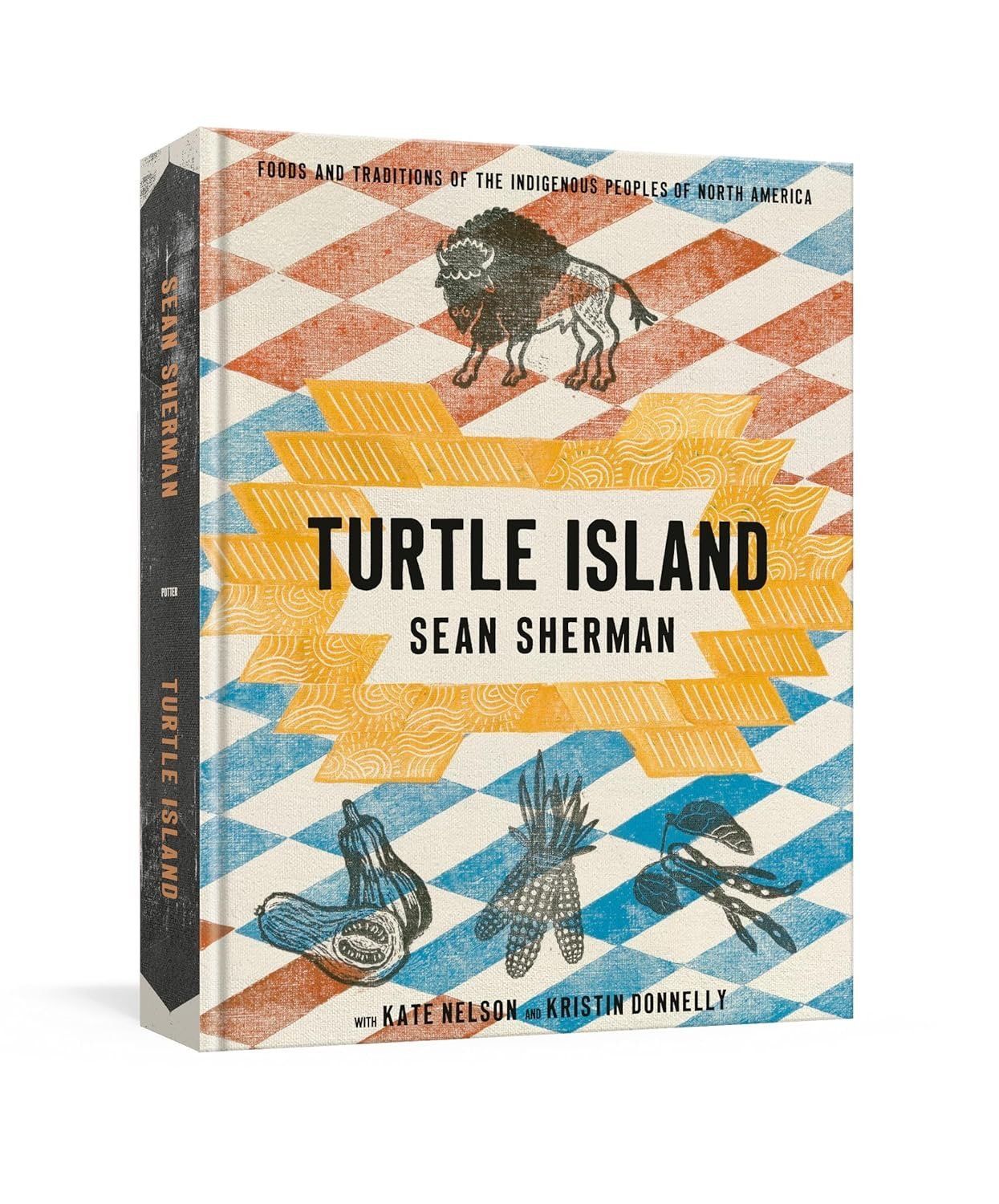
Book cover for “Turtle Island” by Sean Sherman, with a turtle over a colorful geometric pattern.
By Suzanne Podhaizer November 19, 2025
Turtle Island by Sean Sherman
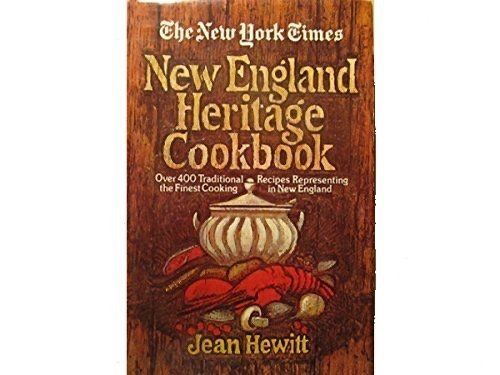
Cover of The New York Times New England Heritage Cookbook, brown background with red berries and a cream jug.
By Suzanne Podhaizer November 5, 2025
New England Heritage Cookbook by Jean Hewitt
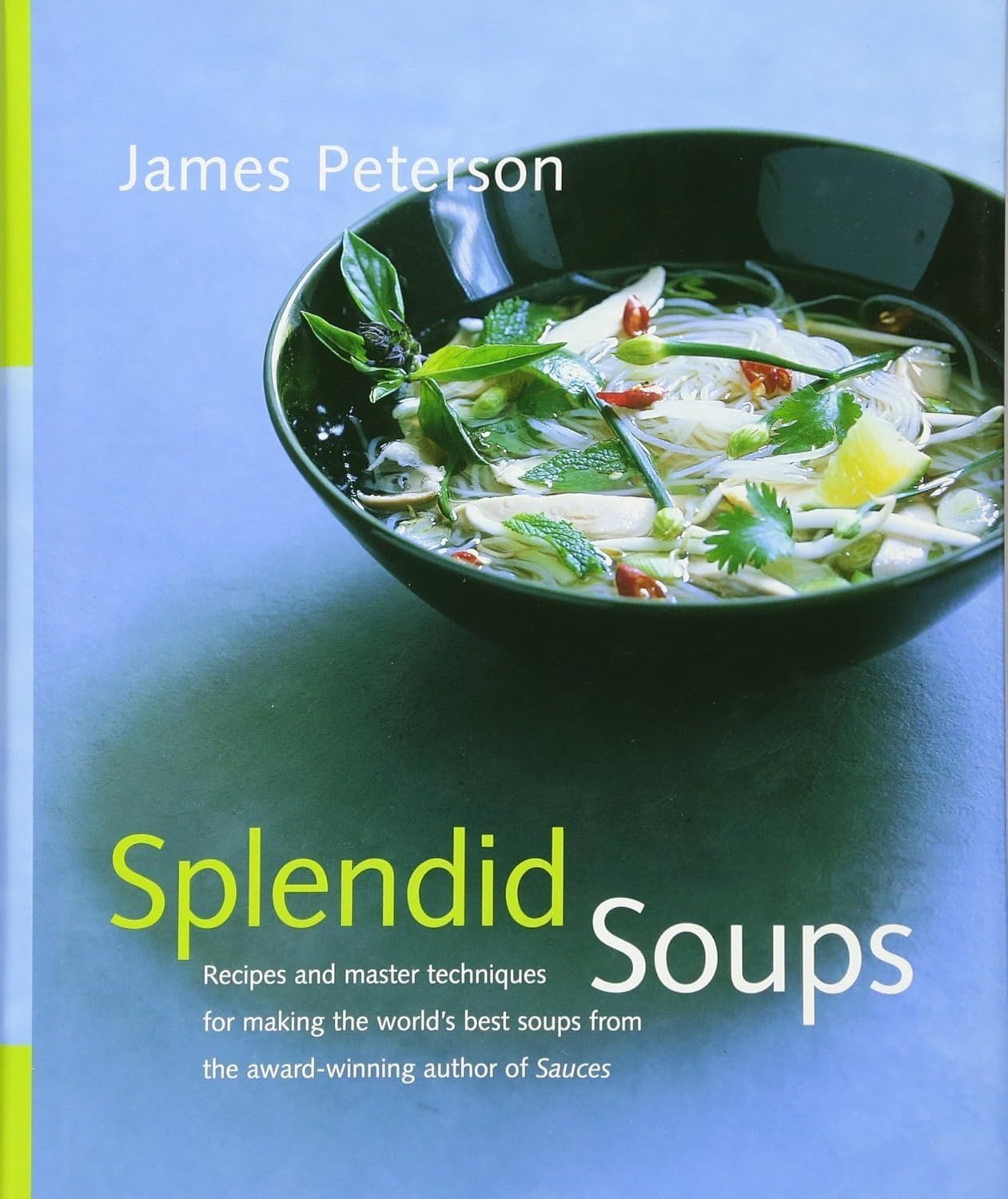
Book cover of James Peterson’s Splendid Soups, showing a bowl of soup on a blue background.
By Suzanne Podhaizer October 29, 2025
Cookbook of the Week: Splendid Soups by James Peterson
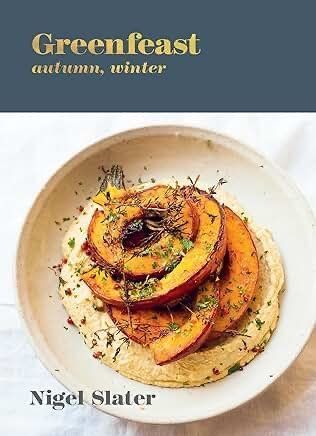
Book cover of Greenfeast: Autumn, Winter by Nigel Slater, showing a plated roasted squash dish.
By Suzanne Podhaizer October 9, 2025
Cookbook of the Week: Greenfeast: autumn, winter by Nigel Slater
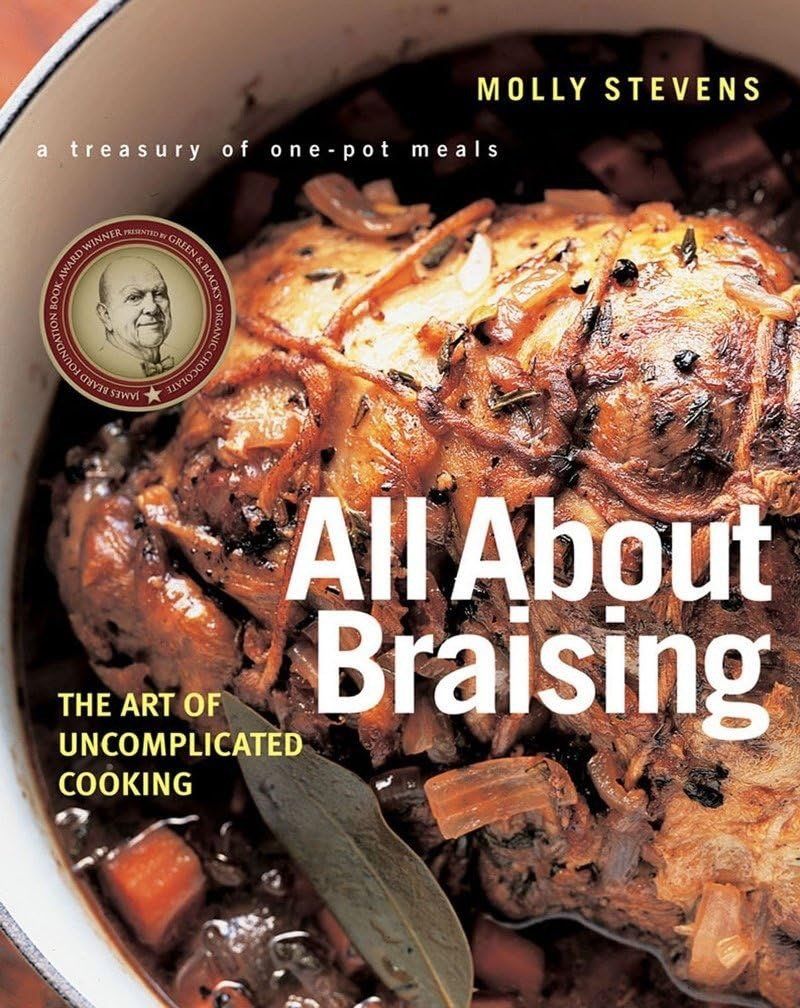
Cookbook cover for All About Braising with a braised meat dish and a bay leaf
By Suzanne Podhaizer October 2, 2025
Cookbook of the Week: All About Braising by Molly Stevens
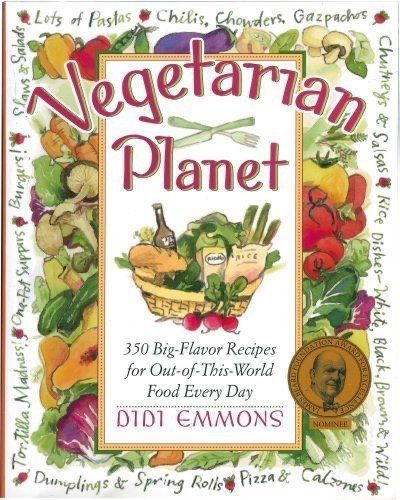
Cover of Vegetarian Planet cookbook with colorful vegetables and title text by Didi Emmons
By Suzanne Podhaizer August 27, 2025
Cookbook of the Week: Vegetarian Planet by Didi Emmons

Book cover of Madhur Jaffrey’s An Invitation to Indian Cooking, featuring a woman in a sari with food on a table
By Suzanne Podhaizer August 21, 2025
The current Cookbook of the Week is An Invitation to Indian Cooking by Madhur Jaffrey
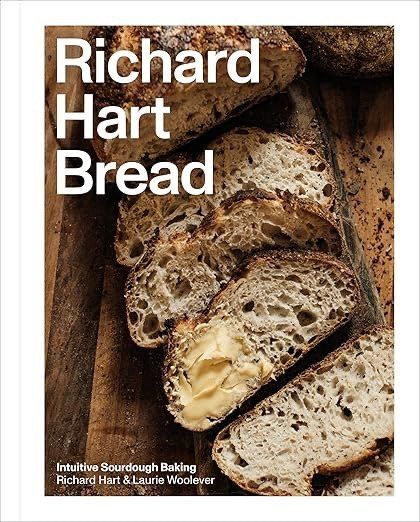
Book cover titled
By Suzanne Podhaizer August 6, 2025
This week’s cookbooks is Richard Hart Bread: Intuitive Sourdough Baking